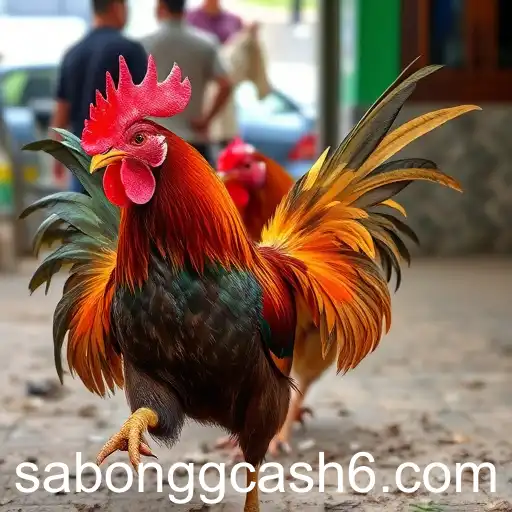
The Impact of Sabong on Digital Financial Transactions
Exploring the connection between traditional cockfighting and modern digital payment systems.


As we progress into 2026, the integration of traditional games into digital platforms has transformed the landscape of online entertainment. Sabong, a traditional Filipino cockfighting event, has gained substantial popularity in the digital realm, thanks to the advent of online gaming platforms that cater to a global audience.
The rise of Sabong on the internet can be attributed to the seamless incorporation of digital payment systems, particularly GCash, which has revolutionized how participants engage in these games. GCash allows for instant transactions, enhancing user experience and attracting a wider audience who appreciate the convenience of cashless transactions.
The shift to digital platforms is not without controversies, as it sits at the intersection of tradition and modernity. Sabong enthusiasts praise the accessibility and global reach that online platforms offer, while critics argue about the potential social impacts and regulatory challenges that come with digitizing such a traditionally localized game.
Reports indicate a significant surge in the number of online Sabong participants, highlighting a growing trend where cultural heritage meets technological advancement. Analysts suggest this could pave the way for other traditional games to evolve similarly, provided they adapt to the legal requisites of online broadcasting and gambling laws.
As the Sabong community continues to grow, so does the responsibility of digital platforms to ensure fair play, safety, and responsible gambling practices. The challenge lies in balancing the cultural significance of Sabong with the demand for modern, digitized experiences.
In conclusion, the digitalization of Sabong via platforms utilizing systems like GCash is an indicator of broader trends in the gaming industry, where tradition is embracing technology. It remains to be seen how this fusion will evolve over the coming years, particularly as more regulatory frameworks adapt to this burgeoning field.

If you're looking for a reliable, fully licensed, and secure sportsbook with a wide selection of games, sabong gcash is the perfect choice. We're committed to providing you with the best online betting experience, with premium quality, excellent service, and continuous innovation. Sign up now and receive ₱777 for free!
Join now
Get the latest information, experience and betting strategies from the expert team at sabong gcash.
Exploring the connection between traditional cockfighting and modern digital payment systems.

Exploring the rise of Sabong gaming through digital platforms and the integration of e-wallets like GCash in 2026.

Exploring the intersection of traditional Filipino cockfighting with modern digital payment systems, including the implications and dynamics in 2025.

Explore the revival of Sabong in 2025 with GCash integration, highlighting its impact on online gaming ecosystems.

Exploring the rise of E-Sabong and its integration with GCash in modern online gaming.

As the popularity of online cockfighting or 'sabong' surges globally, platforms increasingly integrate with digital payment services like GCash to streamline betting processes.
 Join now